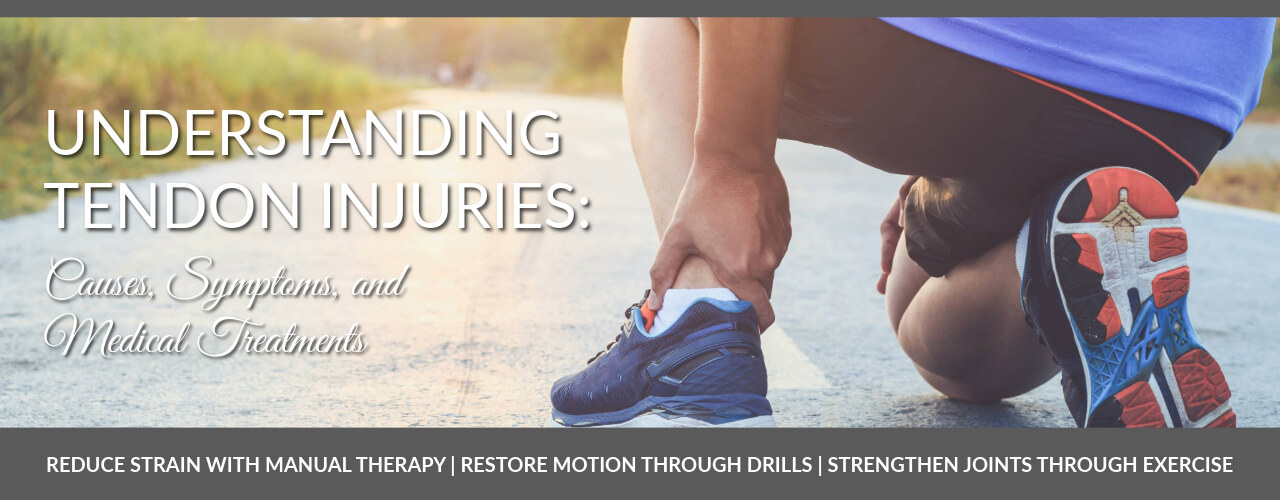
Tendon injuries are a common cause of pain and limited movement for people of all ages and activity levels. Tendons are tough, fibrous tissues that connect muscles to bones and play a vital role in joint movement and stability. When these tissues become inflamed, irritated, or torn, they can lead to significant discomfort and difficulty performing everyday tasks. Whether from overuse, sudden injury, or degeneration over time, injuries to the tendons can affect the shoulders, elbows, wrists, knees, or ankles.
At Preferred Physical Therapy Associates, we help patients recover from tendon damage through customized physical therapy programs designed to reduce pain, restore function, and prevent re-injury.
What Exactly Are Tendon Injuries?
Tendon injuries refer to any damage involving a tendon, and they typically fall into one of three categories.
Types of Tendon Injuries
Tendinitis
- Inflammation of the tendon, often from repetitive motion or overuse
Tendinosis
- Degeneration of the tendon tissue due to chronic overuse or aging
Rupture or Rear
- A partial or complete tear, usually from trauma or excessive strain
These injuries may develop suddenly, such as from lifting something heavy, or gradually over time, especially with repetitive activities or poor mechanics.
Common Causes of Tendon Injuries
Tendon damage is often the result of one or more of the following factors:
- Overuse from repetitive tasks at work or in sports
- Sudden increase in activity without proper conditioning
- Poor posture or biomechanics that put stress on joints
- Weak supporting muscles that force tendons to absorb more load
- Improper equipment or technique, especially in athletics
- Age-related changes that reduce tendon elasticity
Some individuals may also be more prone to tendon injuries due to underlying medical conditions or a history of joint problems.
Symptoms to Watch For
Injuries in the tendon can produce a variety of symptoms depending on the location and severity of the injury. Common signs include:
- Pain near a joint, especially during movement
- Tenderness or swelling around the affected tendon
- Stiffness, particularly in the morning or after rest
- A cracking or grating sensation when the tendon moves
- Weakness or limited range of motion in the nearby joint
- In severe cases, visible deformity or inability to use the joint
If symptoms persist for more than a few days, worsen with activity, or interfere with daily life, a physical therapy evaluation is recommended.
Medical and Physical Therapy Options for Treating Tendons
Treatment for tendons depends on the severity of the condition and the individual’s activity level and goals. In most cases, conservative care like physical therapy offers excellent results without the need for surgery.
Medical Options
- Rest and activity modification to reduce stress on the tendon
- Ice or heat therapy to manage pain and improve circulation
- Nonsteroidal anti-inflammatory drugs (NSAIDs) for short-term pain relief
- Bracing or taping for joint support
- In some cases, corticosteroid injections may be used to reduce inflammation
- Surgery may be necessary for complete tendon ruptures or chronic, unresponsive cases
Physical Therapy: A First-Line Treatment That Works
Physical therapy is often the most effective way to treat tendon problems without the risks or downtime associated with more invasive procedures. At Preferred Physical Therapy Associates, our therapists develop individualized treatment plans that target both the symptoms and the underlying cause.
A comprehensive tendon rehabilitation plan includes:
- Manual therapy to reduce tension in nearby muscles and improve tissue mobility
- Stretching and mobility exercises to restore normal tendon movement
- Eccentric strengthening to rebuild tendon strength and resilience
- Postural and movement retraining to prevent future irritation
- Education on ergonomics, load management, and body mechanics
Patients typically see improvements in pain, mobility, and function within a few weeks of consistent therapy. Long-term success depends on following the home program and avoiding the movement patterns that led to the injury in the first place.
Let Preferred Physical Therapy Associates Help You Heal and Stay Active
Tendon injuries can disrupt your life, but they do not have to become a permanent setback. With the right treatment and support, it is possible to reduce pain, regain movement, and prevent future injuries. At Preferred Physical Therapy Associates, our experienced therapists are here to guide you every step of the way with personalized care and proven techniques.
If you are dealing with pain, stiffness, or reduced mobility from a tendon issue, contact Preferred Physical Therapy Associates today to schedule your evaluation. We are ready to help you move forward with confidence and comfort.