
Health Blog
Can Physical Therapy Help with Joint Pain and Stiffness Relief?
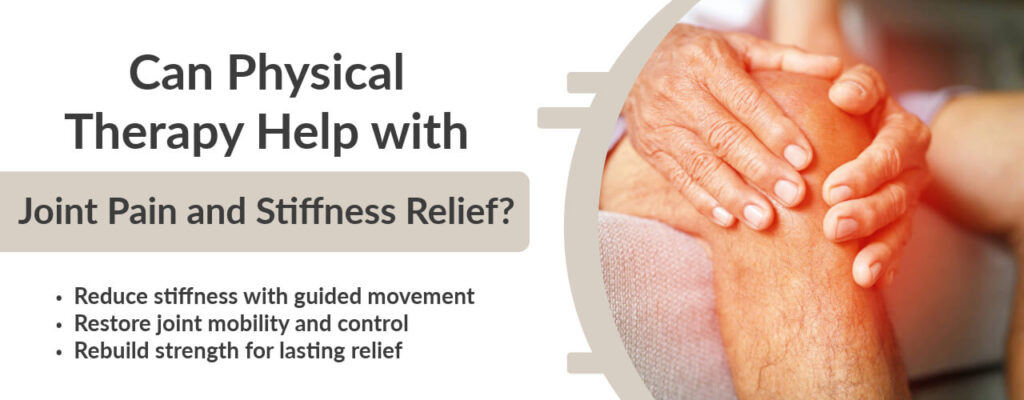
If you’ve ever experienced aching knees, stiff shoulders, or limited hip movement, you know how frustrating joint pain can be. Whether caused by injury, aging, or repetitive stress, joint pain and stiffness can severely limit your daily activities. Fortunately, the physical and occupational therapists at offer effective, non-invasive solutions for joint pain relief.
But how do these therapies work? How do you know if they’re the right choice for you? Look no further.
Read full blogFinding Muscle Strain and Shoulder Pain Relief with Physical Therapy
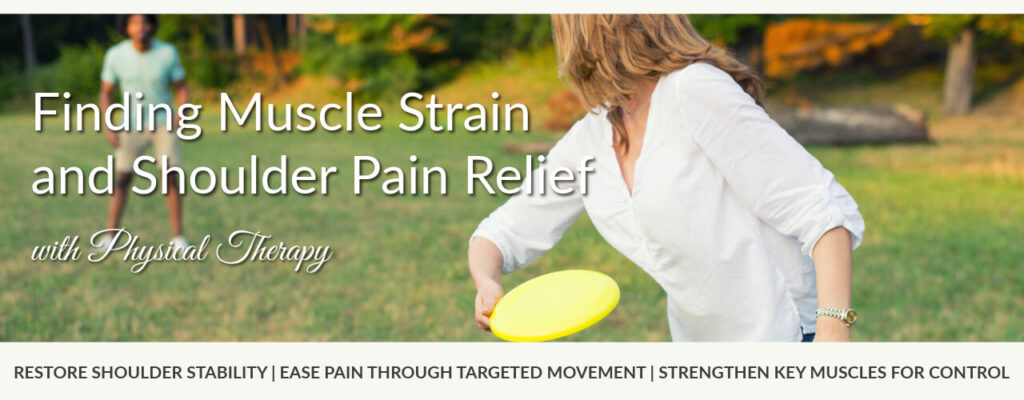
Shoulder pain can make everyday tasks like reaching, lifting, or sleeping a painful challenge. However, if your discomfort stems from a muscle strain, there’s good news: physical and occupational therapy at offers an effective path to recovery. Let’s explore how muscle strain leads to shoulder pain, and how our team can help you find long-lasting muscle strain shoulder pain relief.
Understanding Muscle Strain and Its Role in Shoulder Pain
Shoulder muscle strains occur when muscle fibers are overstretched or torn.
Read full blogChronic Head Pain Management: Strategies for Improved Quality of Life
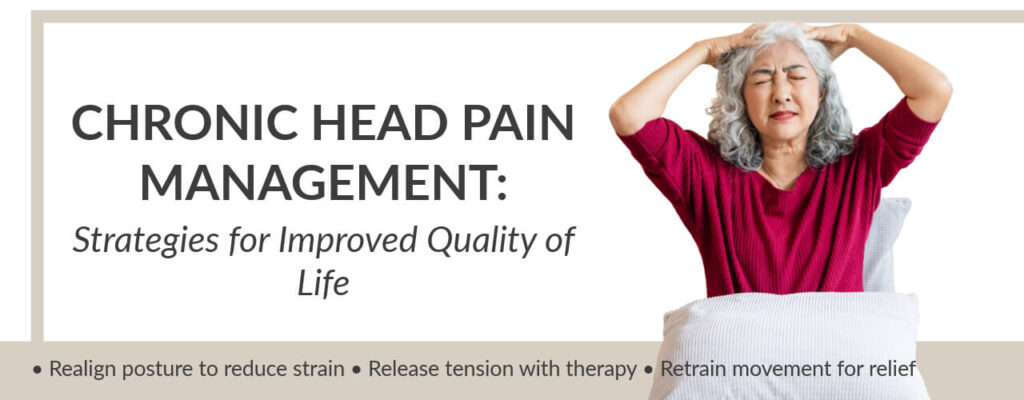
Living with chronic headaches can be physically exhausting and emotionally draining. Unlike the occasional headache, chronic head pain is persistent, lasting for 15 or more days each month over at least three months. It can interfere with daily activities, work responsibilities, and personal relationships. Understanding effective chronic head pain management strategies is essential for reclaiming quality of life.
Understanding Chronic Headaches
Chronic headaches may stem from various causes, including tension-type headaches, migraines, and cervicogenic headaches (which originate in the neck).
Read full blogHow a Rotator Cuff Injury Affects Your Shoulder
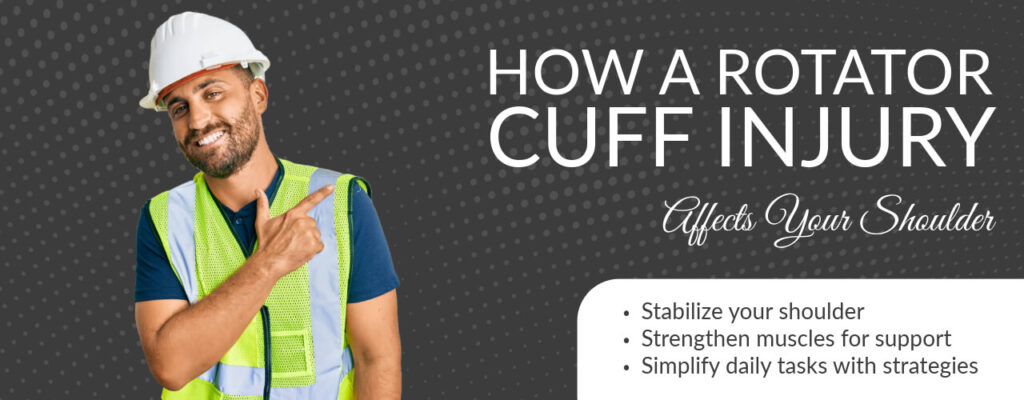
A rotator cuff injury can be painful and debilitating, especially for anyone whose work depends on full shoulder mobility. This type of injury impacts your ability to lift, push, or pull and can interfere with simple daily activities like getting dressed or reaching for an object.
Fortunately, the physical and occupational therapists at have extensive experience addressing rotator cuff injuries, as our recent patient Justin (not his real name) discovered for himself.
Read full blogHow Occupational Therapy Benefits Daily Life and Independence

Occupational therapy services empower people to live fully and independently. From helping stroke survivors relearn basic tasks to supporting children with sensory challenges, occupational therapy benefits people of all ages as they work to regain confidence and control over their lives.
At , we regularly see how tailored therapy improves function, boosts self-esteem, and restores hope in a diverse array of patients. Below, we share three patient stories (their names have been changed) that illustrate the wide range of ways occupational therapy can support and enhance daily living.
Read full blogHow Physical Therapy Boosts Your Work Injury Rehabilitation
Work injuries can disrupt your life, both professionally and personally. Whether you’re dealing with back strain, a repetitive motion injury, or a post-surgical recovery, the goal of the physical and occupational therapists is to get you back to work safely and efficiently with comprehensive work injury rehabilitation.
Physical therapy, in particular, plays a vital role in this process, helping you regain strength, restore movement, and return to work with confidence. Let’s explore some key ways our team can support your recovery journey.
Five Benefits of Work Injury Rehabilitation at
1.
Read full blogHow Physical Therapy Provides Shoulder Impingement Relief
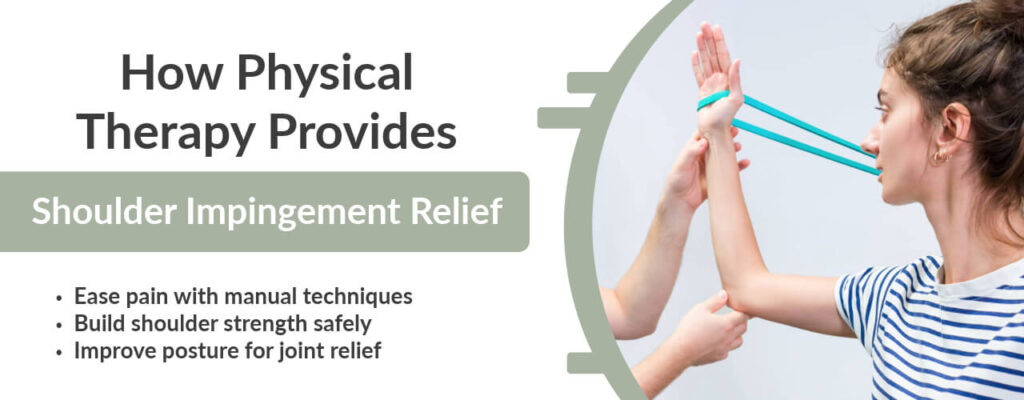
Shoulder pain can make everyday tasks much more challenging. From reaching for a cup on a shelf to putting on a jacket, limited shoulder movement and discomfort can impact your daily life. One of the most common causes of this type of pain is shoulder impingement. The good news? Shoulder impingement relief is possible, often without surgery. At , our experienced team offers targeted physical and occupational therapy to help restore your shoulder function and reduce pain.
Read full blogMigraine Secrets: Causes, Symptoms, and Effective Treatment
Migraines are more than just headaches. They can cause various symptoms that disrupt daily life, impair work, and affect emotional well-being. While medications can help, many individuals are turning to migraine treatment options that focus on the root causes and offer long-term relief.
Physical and occupational therapy at are two powerful tools in the fight against migraines, especially for those seeking non-pharmacological strategies to reduce frequency and severity.
Understanding Migraines: What They Are and Why They Happen
Migraines are complex neurological conditions.
Read full blogOccupational Therapy Solutions for Hand and Wrist Conditions
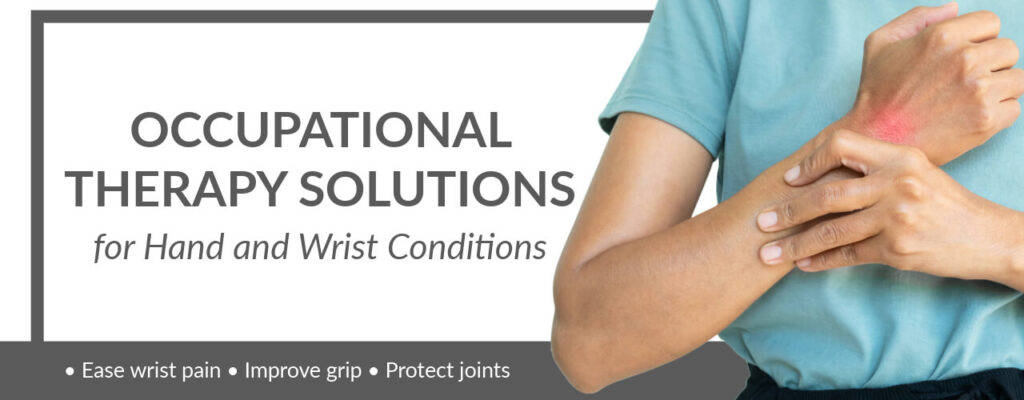
Are you struggling with pain, stiffness, or limited movement in your hands or wrists? We know how frustrating it can be. These essential parts of the body are involved in nearly every daily task, from buttoning a shirt to using a smartphone. Fortunately, the team offers highly effective hand therapy solutions tailored to your lifestyle needs.
Whether you’re recovering from an injury or managing a chronic condition, occupational therapy can help restore comfort and function.
Read full blogPost-Surgery Shoulder Pain: What to Expect in Recovery
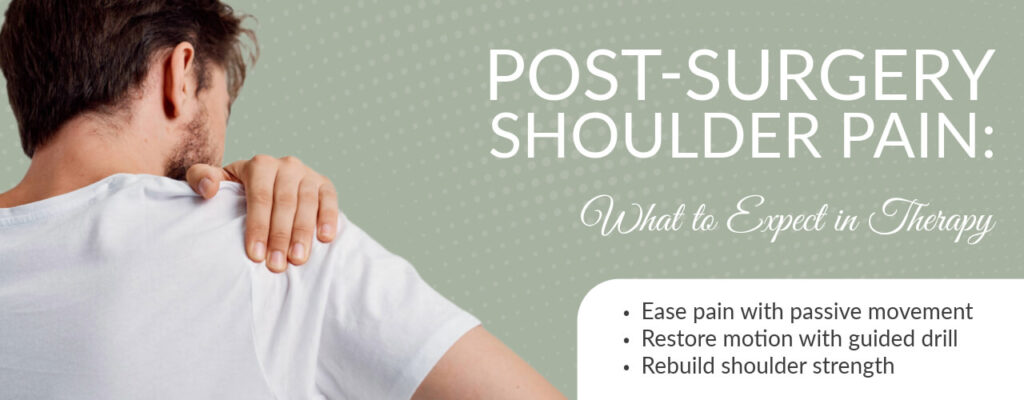
Shoulder surgery can be life-changing, but it’s important that your recovery is handled with care. Many patients wonder what the healing process involves and how therapy fits into it. At , we guide patients through post-surgery shoulder recovery. By combining physical and occupational therapy, we help people regain strength, mobility, and confidence.
We want to share Mark’s story to help you better understand post-surgery rehabilitation. Mark (not his real name) recently worked with us after a rotator cuff repair.
Read full blog