

How Physical Therapy Helps Pelvic Health
— February 2025 —

Are you living with symptoms you find difficult to talk about? Perhaps you’re struggling with incontinence or endometriosis. Maybe you’ve developed a pelvic organ prolapse.
While these conditions can sound scary, they’re very treatable. Unfortunately, they often stem from issues related to pelvic health, and many people will live with pain and discomfort due to uncomfortable sharing their concerns.
At Preferred Physical Therapy, we want to change that. Our physical therapists frequently help people manage their pelvic health, offering private rooms and a judgment-free zone where you can share your symptoms and get the treatment you need.
Today, we want to explore pelvic health: what it is, how it can impact your life, and how our physical therapy services can help improve it.
Still have questions? Our friendly staff is happy to answer them. We’re just a phone call away!
What Do We Mean by Pelvic Health?
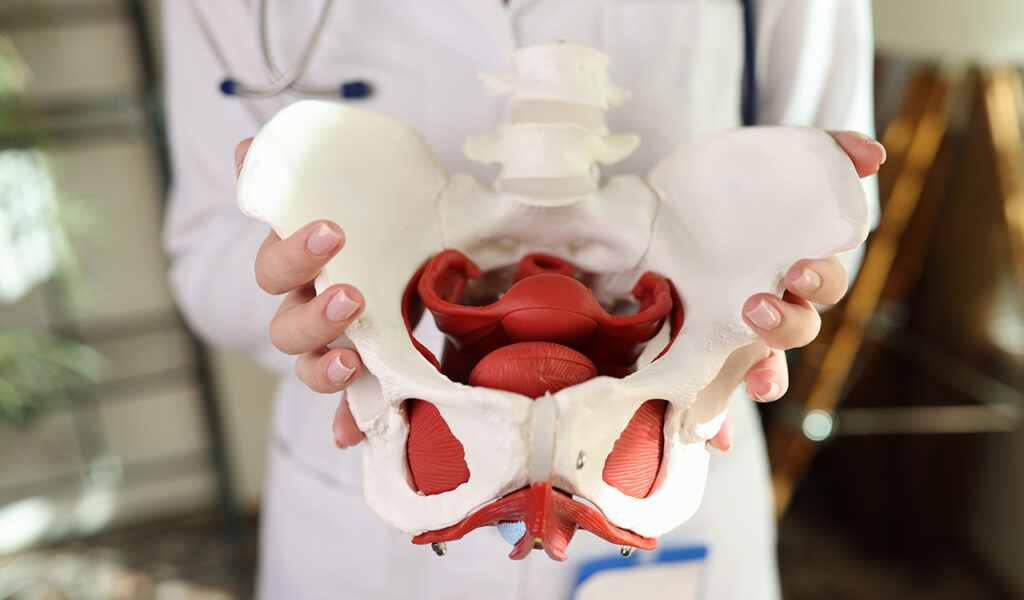
Your pelvic floor is a sling of muscles at the base of your core. It acts as a “hammock” for your pelvic organs, including your bladder, bowels, and sexual organs. When the pelvic floor is healthy, it supports those organs and helps them function properly. But when it becomes impaired – such as being weak or overly restricted – you can experience several different symptoms.
Anyone can experience issues with their pelvic floor, although the exact concerns can vary somewhat with gender. Here are some of the common complaints we help treat:
• Urinary Incontinence — Anyone can develop urinary incontinence, although it is more common in women. This can include stress incontinence (leaking when laughing or coughing), urge incontinence (having an overwhelming need to go), or a combination.
• Pelvic Pain — Pelvic pain can have a variety of causes, from nerve issues to gynecological conditions like endometriosis. We’ll help determine the cause and find the right treatment option for your needs.
• Pelvic Organ Prolapse — This occurs when the pelvic organs slip out of place. It develops due to weakened pelvic floor muscles.
• Pregnancy/Postpartum Discomfort — The changes that occur in your body during pregnancy can lead to pelvic and lower back pain, urinary incontinence, and other musculoskeletal concerns.
What Treatment Options Do We Offer?
Treatment for pelvic health concerns varies depending on the cause. That’s why our team will spend your first session taking your health history, reviewing your symptoms, and running several screens so we can provide you with the interventions you need.
Here are some of the common treatment options we use to improve pelvic health:
• Pelvic Floor Exercises — We’ll show you tailored exercises designed to stretch and strengthen your pelvic floor muscles–and ensure you’re performing them correctly.
• Manual Therapy — Certain hands-on pain relieving techniques, such as myofascial release, can help ease muscle tension that can contribute to pelvic pain and dysfunction.
• Bladder Training — If you’re dealing with urinary incontinence (especially urge incontinence), bladder training can help you go longer between bathroom breaks.
• Lifestyle Modifications — We’ll help you find lasting relief by addressing other factors that might contribute to pelvic floor dysfunction, such as regular exercise, nutrition, and more.
Ready to Get Started?
At Preferred Physical Therapy, we understand how challenging it can be to live with pelvic floor dysfunction. Worse, many people will suffer for years due to the shame surrounding common symptoms related to poor pelvic floor health.
We want you to know there’s nothing to be ashamed of — and our physical therapists have heard it all! Take control of your health and well-being, starting with your pelvic health. Call our clinic today to set up your initial consultation!

What Sort of Exercises Help the Pelvic Floor?
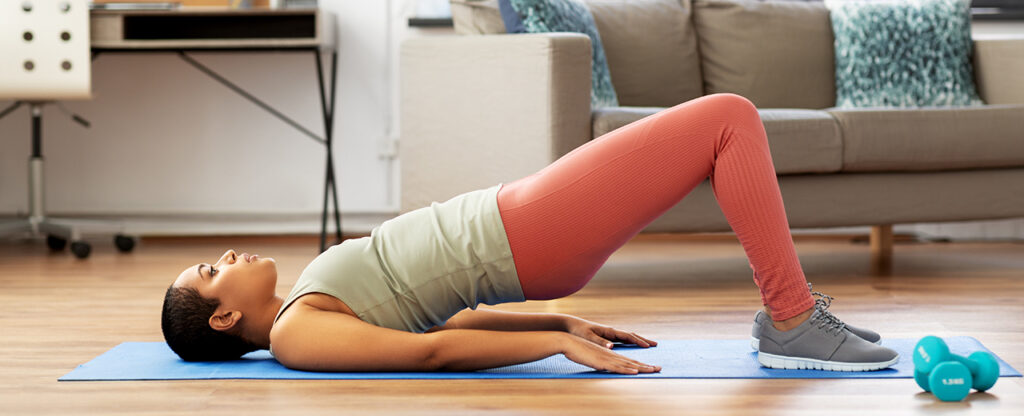
Your pelvic floor is a muscle like any other, which means exercise will help keep it in top shape! However, you may be wondering what exercises are most beneficial.
Here are some of our favorites to include in treatment plans, but do make sure to check with us before trying anything new:
Kegels
If you’re like most people, when you hear “pelvic floor exercises,” you probably think of Kegels, a technique for contracting and releasing the pelvic floor muscles. While beneficial, they can be tricky to perform correctly.
Fortunately, our team is on the case. We’ll walk you through the process and may use technology to ensure you’re working the correct muscle.
Squats
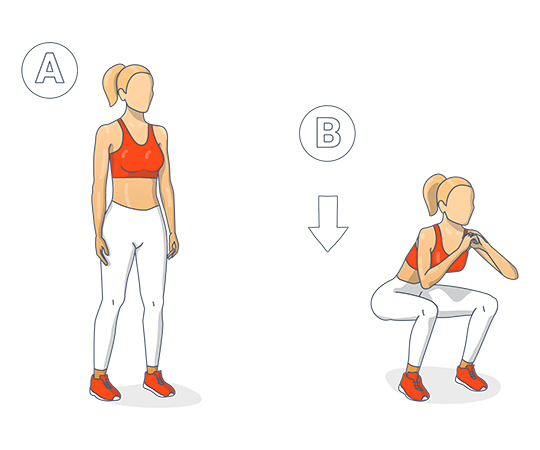
It’s true — the mighty squat works more than your glutes and hamstrings! To perform a bodyweight squat, stand hip-width apart, then bend your knees as if you’re going to sit in a chair (you can use a chair — sitting down and getting up without using your hands emulates a squat movement).
Glute Bridges
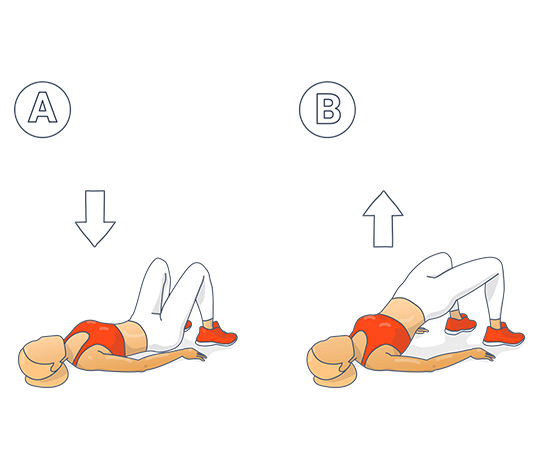
Glute bridges are another great exercise for targeting the core, glute, and pelvic floor muscles. They involve lying on your back with your knees bent, slowly lifting your hips up from the floor, and pressing down on your sides with your arms.
Get Your Own Unique Exercise Plan Today!
The best way to stretch and strengthen your pelvic floor is to make an appointment at Preferred Physical Therapy. We’ll provide you with a personalized program designed to suit your needs. Call us today to get started!

ANOTHER
5 STAR REVIEW
“Thank you Lord for everything! To personnel and physical therapists: Patty, Olga, Olgi, Yasmin, Gina, Leslie, and Laura. I’d like to express my thanks to Preferred Physical Therapy for their services. Especially to Gina who really helped me with my vertigo and chronic pains in my neck and shoulders. Gina and the group of professionals did amazing, dedicated, and knowledgeable work. Their warmth and caring goes above and beyond! Unlike other physical therapy I’ve attended, Gina and the other therapists have never left me alone. They guide you through the entire session. I highly recommend Preferred Physical Therapy. The owner has always set high standards achieving services and results. Many thanks!”
—Edwardo B. — Actual 5 Star Google Review
Upcoming
MEMBERSHIP PROGRAM
Due to the ever-changing world of healthcare, and the field of physical therapy, Preferred Physical Therapy Associates has decided to establish a Membership Program, to maintain the high quality of care we have provided for 18 years. We believe this program will help us establish and maintain our relationships with our patients, build trust with our patients, and allow us to offer enhanced services to the Members. We believe this program will serve the best interests of both the practice and our Member patients. All patients of Preferred Physical Therapy Associates are eligible to become Members of the PT Program. In fact, we hope that all our patients become Members, although we do offer the option of opting out of Membership.
Click to find out more about the benefits of the Membership Program at Preferred Physical Therapy!

We also treat TMJ Disorders?
Along with exercises to stretch and strengthen jaw muscles, treatments might include soft tissue mobilization inside the mouth and/or muscles of the neck and jaw, ultrasound, and cold laser treatment. Also, moist heat and stretching are effective in repeated applications throughout the day.
And Offer Education & Counseling?
Education and counseling can help you learn more about the factors and behaviors that may worsen your pain, so you can change your behavior. Examples include teeth clenching or grinding, leaning on your chin, and postural issues while sitting at your computer, or in your car.

Feel Better by Eating Better!
Apple, Goat Cheese, and Pecan Pizza
This Apple, Goat Cheese, and Pecan Pizza combines a crispy six-grain crust, sweet Fuji apples, tangy goat cheese, fresh thyme, and a lightly dressed arugula salad, finished with toasted pecans for a perfectly balanced, gourmet bite.
Directions:
Preheat oven to 450°. Place pizza crust on a baking sheet coated with cooking spray. Arrange apple slices evenly over pizza crust; top with cheese. Sprinkle thyme evenly over cheese. Bake at 450° for 8 minutes or until cheese melts and begins to brown. Combine oil and next 3 ingredients (through honey) in a medium bowl, stirring with a whisk. Add arugula; toss gently to coat. Sprinkle pecans evenly over pizza; top with arugula mixture. Cut pizza into 6 wedges.
Ingredients
- 1lb six-grain pizza crust
- Cooking spray
- 3 cups thinly sliced Fuji apple
- 1 cup crumbled goat cheese
- 2 tsp chopped fresh thyme
- 1 tbsp extra-virgin olive oil
- 2 tsp Dijon mustard
- 1 tsp fresh lemon juice
- 1 1/2 tsp honey
- 2 cups baby arugula
- 3 tbsp chopped pecans, toasted
Meet Our Team

Trevor Meyerowitz, RPT
Physical Therapist
Raquel C. Rangel, PT, MPT, MA
Clinical Director
Eric Richardson, PT
Physical Therapist
Leslie Rodrigues, PTA
Physical Therapist Assistant
Luciana Muniz, PT
Home Health Physical Therapist
Anelise Madjarian, PT
Physical Therapist
Flavia Pereira, PT
Physical Therapist
Kara Brown, MPT
Physical Therapist
Marilyn Chavez, PT
Physical TherapistLet’s Get You Better ASAP!
Don’t let pain dictate your life. Take the first step towards reclaiming your mobility and well-being with our expert support. Start your journey to a healthier you today.