

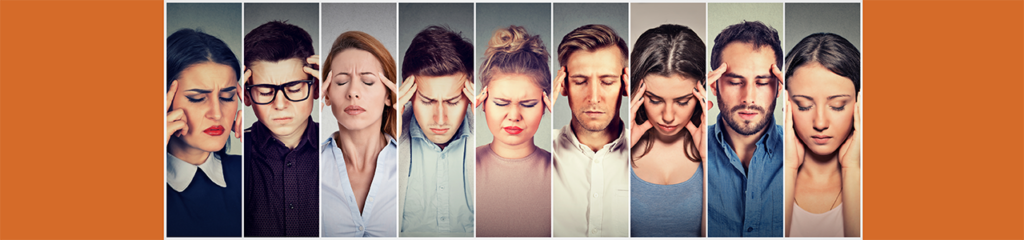
Ease Your Headache the Natural Way
Discover How Physical Therapy Can Help!

Did you know…
…that physical therapy can be a game-changer for those suffering from cervicogenic headaches? Yes, those nagging headaches that start in your neck and creep up into your head can be eased with the help of our physical therapists!
Cervicogenic headaches come from problems in your neck, and that’s where our physical therapist steps in. We’ll get to the root cause, whether it’s tight muscles, stiff neck joints, or the way you sit or stand.
Once they know the cause, our therapists use hands-on techniques to loosen up those tight spots and get your neck moving better. They might use gentle stretching, massage, or special exercises. It’s not just about easing the pain right now; it’s about teaching your body to move in ways that keep the pain from coming back.
At Preferred Physical Therapy, our physical therapy programs aren’t just about fixing injuries; it’s about helping your body work its best. For those who didn’t know, physical therapists can definitely help with headaches. So, if you’re tired of those headaches, give our physical therapists a try. It could be just what you need to feel better and get back to enjoying life headache-free!
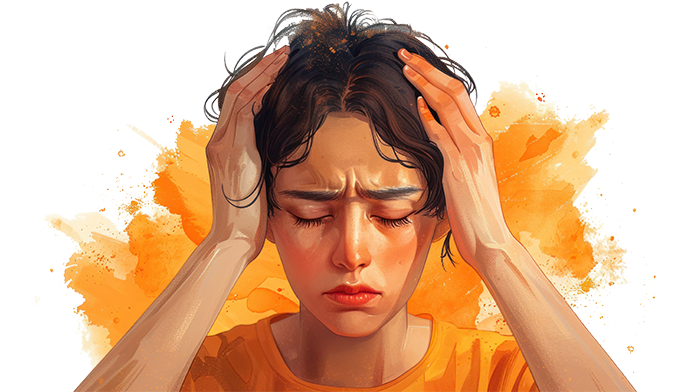
Neck Pain to Headache: Uncovering the Causes and Signs of Cervicogenic Headaches
Cervicogenic headaches are common headaches that originate in the neck and are triggered by neck problems. Common culprits include:
• Poor posture
• Neck injuries like whiplash
• Wear and tear in the neck joints due to age
You’re at a higher risk if you spend hours hunched over a computer or smartphone. Sports that jolt the neck, like football or even a minor car accident, can set the stage for these headaches.
Unlike migraines that often come with nausea or light sensitivity, cervicogenic headaches usually start with neck pain. This pain then travels up to the back of your head, sometimes reaching the forehead or area around the eyes. It’s typically felt on one side and can be triggered by certain neck movements or positions. Stiffness in the neck, pain when pressing on certain spots in the neck or base of the skull, and sometimes a reduced range of motion in the neck are tell-tale signs.
If you’re experiencing these symptoms, it’s a sign that your neck might be the culprit. Understanding these causes and symptoms is crucial because treating a cervicogenic headache is different from tackling a migraine or tension headache. It’s all about getting to the root of the problem — in this case, the neck!
Targeting the Source: How Physical Therapy Tackles Cervicogenic Headaches
Physical therapy at Preferred Physical Therapy plays a crucial role in managing cervicogenic headaches. Our approach is particularly effective as it targets the root cause of the pain. Our therapists will start with a comprehensive evaluation, including your medical history, history of headaches, and a thorough physical examination.
Our team will use the most effective treatments to help you resolve your pain and teach you the tools you’ll need to prevent future episodes. Our programs typically include:
Manual Therapy
This involves hands-on techniques, where the therapist manipulates and mobilizes the neck and shoulder regions. It reduces stiffness, improves range of motion, and decreases pain in cervicogenic headaches.
Targeted Stretches
These are specific stretching exercises focused on the neck and upper back muscles. They aim to relieve tension and improve mobility in these areas, thus helping to reduce the intensity and frequency of headaches originating from the neck.
Strengthening Exercises
These exercises focus on building the strength of the neck, shoulder, and upper back muscles. Strengthening these areas can provide better support to the neck, improve posture, and reduce the stress on cervical spine structures.
Postural Corrections
Postural training involves teaching patients how to maintain proper neck and spine alignment, especially during daily activities.
Our therapy programs also play a vital role in long-term management and help significantly reduce headache frequency and intensity and improve neck function and overall quality of life.
You will notice less stiffness and greater ease in neck movement, along with reducing or eliminating the headaches altogether. The key to maintaining these improvements is continuing to do the exercises and techniques learned during therapy sessions and integrating them into daily routines to ensure long-term benefits and prevent future cervicogenic headaches.
Begin your journey to recovery today by booking your appointment with Preferred Physical Therapy!


ANOTHER
5 STAR REVIEW
“My PT therapist pinpointed the issue with my balance and headache. Besides treating me at the facility, they also had me do exercises at home which improved my condition. They were a pleasure to deal with and was extremely knowledgeable in their areas of expertise. I would recommend them to everyone. The front desk personnel was a pleasure to deal with also. Thank you!”
–Christine M. — Actual 5 Star Google Review
Upcoming
MEMBERSHIP PROGRAM
Due to the ever-changing world of healthcare, and the field of physical therapy, Preferred Physical Therapy Associates has decided to establish a Membership Program, to maintain the high quality of care we have provided for 18 years. We believe this program will help us establish and maintain our relationships with our patients, build trust with our patients, and allow us to offer enhanced services to the Members. We believe this program will serve the best interests of both the practice and our Member patients. All patients of Preferred Physical Therapy Associates are eligible to become Members of the PT Program. In fact, we hope that all our patients become Members, although we do offer the option of opting out of Membership.
Click to find out more about the benefits of the Membership Program at Preferred Physical Therapy!
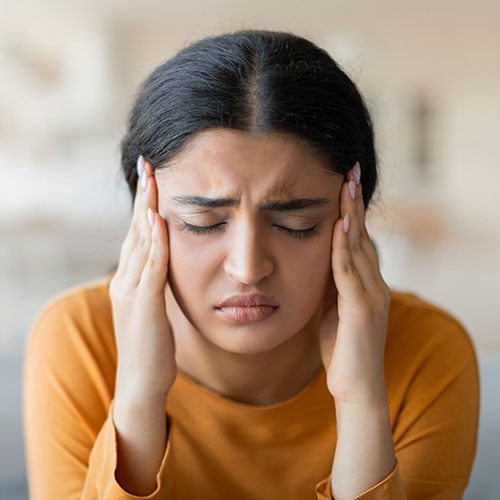
3 Common Headaches And Their Solutions
Headaches are defined as any pain that occurs within the head. A lot of headaches are related to poor postural habits, improper or repetitive technique problems, and other forms of mental, physical, and emotional stressors. Unfortunately, headaches can be severe and interfere with one’s quality of life.
The most common type of headaches our team of physical therapists treats include the following:
Stress/Tension
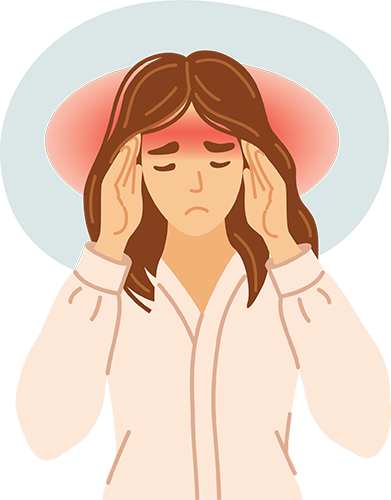
This headache usually occurs when the muscles in the neck or scalp tense and contract and are frequently triggered by tensing the muscles in your shoulders from everyday annoyances.
Migraines
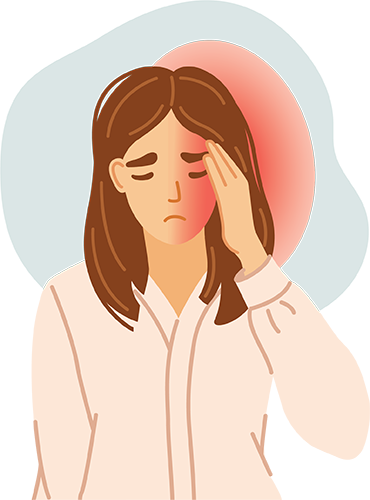
These headaches are characterized by painful throbbing or pulsing on one side of the head and are often accompanied by changes in vision, nausea, vomiting, sensitivity to light, or sensitivity to sound.
Cluster Headaches
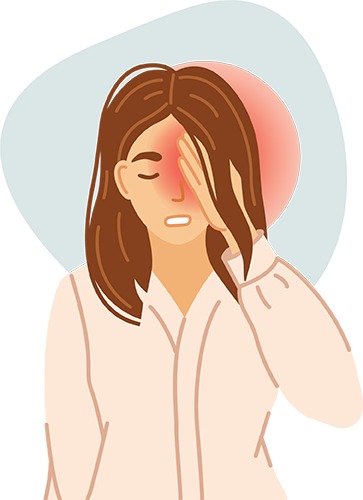
Cluster headaches occur in cyclical patterns or cluster periods and are considered one of the most painful types. Typically the intense pain is felt in or around one eye and on one side of the head.
If you’ve been living with nagging headaches, you will benefit from a consultation with one of our skilled physical therapists. We will help you figure out precisely what type of headache is plaguing you and how to resolve it once and for all!

Feel Better by Eating Better!
Sweet & Sour Cauliflower
Easy and healthy Baked Sweet & Sour Cauliflower is a delicious twist on classic sweet & sour chicken or pork and it’s baked instead of fried. You won’t miss meat in this lightened up classic!
Directions:
Preheat oven to 425 degrees. Toss cauliflower and oil in a ziplock bag. Add corn starch and toss to coat again. Transfer cauliflower to a greased baking sheet. Bake for 15-20 min until cauliflower starts to brown on the bottom. Switch oven to broil and cook on high for 3-4 minutes just until tops start to brown. Combine sugar, vinegar, soy sauce, garlic powder, onion salt, and ketchup in a medium sauce pan. Stir and bring to a boil. Whisk together corn starch and cold water in a small bowl until dissolved. Add to pan and stir until thickened, then reduce to low heat. Combine roasted cauliflower and sauce. Serve with steamed rice and top with sliced green onions.
Recipe: www.lecremedelacrumb.com/baked-sweet-sour-cauliflower
Ingredients
- 5-6 cups cauliflower florets
- 3 tbsp vegetable oil
- 1/3 cup corn starch
- 3-4 cups steamed rice, for serving
- Thinly sliced green onions for garnish
- 3/4 cup sugar
- 2 tbsp soy sauce
- 1/2 cup apple cider vinegar
- 1 tsp garlic powder
- 1/2 tsp onion salt
- 1/4 cup ketchup
- 1 tbsp cornstarch
- 2 tbsp cold water

Exercise of the Month
Cervical Retraction and Extension With Towel
Start by standing up straight. Wrap a towel around the back of your head and hold the ends with both hands in front of you. Tuck your chin, pushing your head back into the towel and then raise your chin up towards the ceiling against the towel. Return to start. Repeat 3 sets, 10 reps each.


Meet Our Team

Trevor Meyerowitz, RPT
Physical Therapist
Raquel C. Rangel, PT, MPT, MA
Clinical Director
Eric Richardson, PT
Physical Therapist
Leslie Rodrigues, PTA
Physical Therapist Assistant
Luciana Muniz, PT
Home Health Physical Therapist
Anelise Madjarian, PT
Physical Therapist
Flavia Pereira, PT
Physical Therapist
Kara Brown, MPT
Physical Therapist
Marilyn Chavez, PT
Physical TherapistLet’s Get You Better ASAP!
Don’t let pain dictate your life. Take the first step towards reclaiming your mobility and well-being with our expert support. Start your journey to a healthier you today.