


— April 2025 —

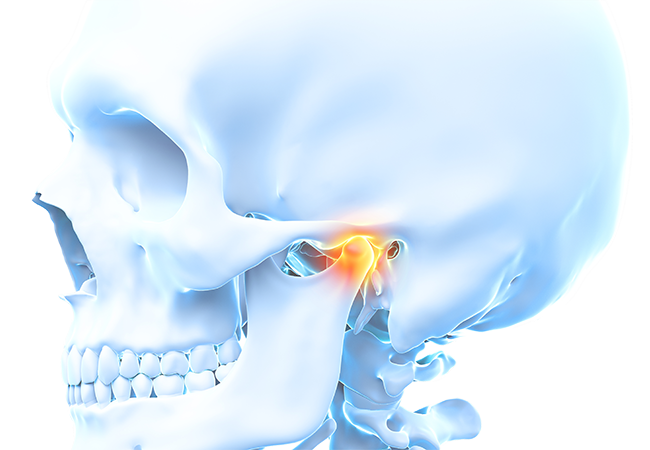
Do you suffer from headaches, grinding of your teeth, clicking of your jaw, or even ear pain? You’re not alone! These can all be signs of a condition known as Temporomandibular Joint Disorder (TMJ).
This is a disorder of the jaw muscles and nerves caused by injury to the TMJ (the temporomandibular joint), which is the joint between your jaw and skull. A physical therapist can take a look at your symptoms and help to diagnose you if this is what has been causing your discomfort!
If you’re living with this condition, don’t fret! The skilled physical therapists at Preferred Physical Therapy are here to help you find true pain relief once and for all. Call our clinic today and cut the cord tying you to your pain!
Common Causes of TMJ Disorder
According to ChoosePT, TMJ disorder is so common that it currently affects more than 10 million people in the United States. That’s a lot! There are several reasons you may be experiencing symptoms of temporomandibular joint disorder.
Multiple factors contribute to the muscle tightness and dysfunction that characterize this condition. Most often, poor posture and neck alignment change the pull of the muscles that make your jaw move. This causes painful grinding and irritation of the temporomandibular joint.
• Poor alignment of or trauma to the teeth or jaw (malocclusion)
• Clenching of the jaw (bruxism)
• Lockjaw (trismus)
• Teeth grinding
• Poor posture
• Stress
• Arthritis or other inflammatory musculoskeletal disorders
• Excessive gum chewing
When you see a physical therapist for pain relief for TMJ disorder, they may ask you questions about your daily life, including stressors and chronic conditions that could be causing your pain.
Symptoms of TMJ
There are several ways to know if you may be dealing with TMJ, although the best way to find out for sure is to visit a Preferred Physical Therapy physical therapist!
When a person has TMJ, the injured joint leads to pain with chewing, clicking, and popping of the jaw; swelling on the sides of the face; nerve inflammation; headaches; tooth grinding; and sometimes dislocation of the temporomandibular joint.
The bad news is that this condition can make everyday things such as talking and eating pretty uncomfortable. The good news is that a lot can be done to help TMJ disorder, first starting with a thorough evaluation of your problem with our expert physical therapists!
How Can a Physical Therapist Help with TMJ?
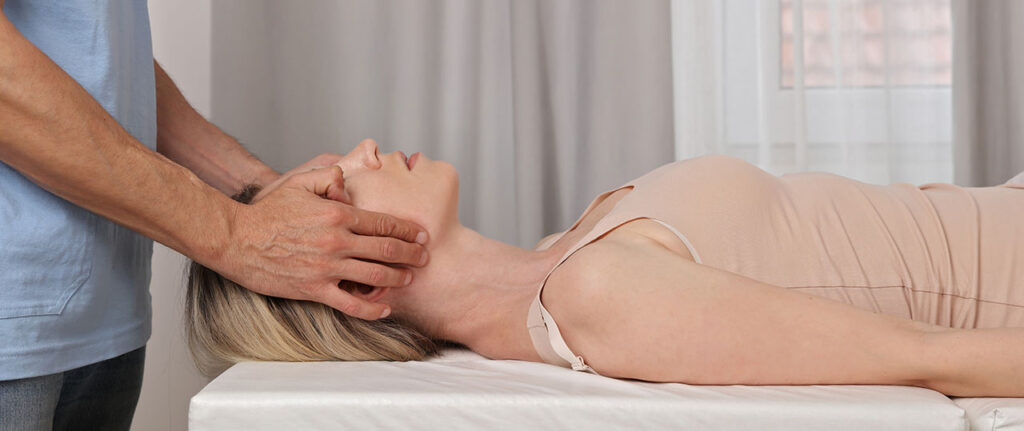
Dentists and orthodontists aren’t the only ones who can treat TMJ disorder. Physical therapists can as well. At your first appointment with Preferred Physical Therapy, a thorough examination of your neck, shoulders, and thoracic spine will be performed to determine whether those structures are causing your symptoms.
Once the root cause of your problem has been discovered, a comprehensive plan can be developed to quickly relieve your pain and restore natural movement to your temporomandibular joint. Furthermore, our physical therapists will teach you techniques for regaining normal jaw movement for long-lasting results.
The focus of physical therapy for TMJ is relaxation, stretching, and releasing tight muscles and scar tissue. In most cases, physical therapy can resolve TMJ and prevent the need for surgery.
However, in cases where surgery is absolutely necessary, physical therapy is a vital part of the recovery process, as it helps minimize scar tissue formation and muscle tightness and allows for a complete recovery.
Your recovery plan may involve a range of procedures and modalities, such as jaw exercises, soft tissue massage, joint mobilization, myofascial methods, electrical stimulation, and ultrasound. Your PT will also work with you on improving your posture as well since this can contribute to TMJ-related pain.

Give Us a Call Today
If you’re experiencing jaw pain and discomfort, it’s highly recommended to contact Preferred Physical Therapy and schedule an appointment for a thorough evaluation of your condition. Our team of physical therapists will make every effort to provide you with the pain relief you need and alleviate any discomfort you may feel while speaking, chewing, yawning, and more. Don’t hesitate to reach out and let us help you regain your comfort.
What are you waiting for? Relief is just a call away, so reach out today to set up an appointment!
Eating Habits And
How They Affect YOUR JOINTS

Relieving arthritis or joint pain may be easier than you think! The solution may be as simple as paying attention to what you are eating in order to avoid inflammatory foods that often lead to pain.
What Inflammatory Foods Lead to Pain?
Eating highly processed foods (such as pasta, bread and crackers — especially those containing gluten) creates inflammation in the body. This inflammation then leads to the actual physical pain that you may feel in your knees and joints since the joints are particularly vulnerable to inflammation.
Foods with gluten, trans fats, — found in snack foods like chips and pastries — and high sugar — that handful of M&Ms from your coworker’s desk — all cause inflammation. For many people, dairy products are also inflammatory.
Staying Active
Staying active is also important to maintaining healthy joints. At Preferred Physical Therapy we can help develop a fitness plan to keep you feeling stronger, better, and more active.
Take Control of Your Joint Health Today!
At Preferred Physical Therapy, we’re here to support your journey to feeling better with a personalized fitness plan tailored to keep you strong and active. Don’t wait for pain to slow you down – take action now and start feeling your best! Reach out to us today to learn how we can help.

ANOTHER
5 STAR REVIEW
“At Preferred Physical Therapy I was treated and assisted by a lovely staff of employees. A special shoutout to Gina, who not only was an outstanding physical therapist, but a delight with every visit. Thank you for all your help and encouragement.”
–Linda P. — Actual 5-Star Google Review
Upcoming
MEMBERSHIP PROGRAM
Due to the ever-changing world of healthcare, and the field of physical therapy, Preferred Physical Therapy Associates has decided to establish a Membership Program, to maintain the high quality of care we have provided for 18 years. We believe this program will help us establish and maintain our relationships with our patients, build trust with our patients, and allow us to offer enhanced services to the Members. We believe this program will serve the best interests of both the practice and our Member patients. All patients of Preferred Physical Therapy Associates are eligible to become Members of the PT Program. In fact, we hope that all our patients become Members, although we do offer the option of opting out of Membership.
Click to find out more about the benefits of the Membership Program at Preferred Physical Therapy!

We offer Speech Therapy?
Communication differences or disorders can be caused by a variety of events including neurodegenerative diseases, head injuries, problems at birth, and genetic disorders.
Adult speech therapy can address cognition, aphasia, voice, fluency, dysarthria, dysphagia, Augmentative and Alternative Communication (AAC), as well as expressive and receptive language.
Contact our clinic today to schedule your appointment!

Feel Better by Eating Better!
Spring Vegetable Tart
Welcome the flavors of spring with this light and elegant Spring Vegetable Tart—a crisp, golden puff pastry base topped with vibrant seasonal veggies, creamy goat cheese, and a drizzle of balsamic glaze. Perfect for brunch, lunch, or a light dinner, this tart is as beautiful as it is delicious!
Directions:
Preheat oven to 400°F. Line a large baking tray with baking paper. To make tart case, place pastry sheets side by side on the lined tray. Brush egg wash along the long edge of one sheet, then overlap with the other by 1″ to create a large single sheet. Fold and pinch all four sides to make a 1″ border, pushing down to seal. Brush border with egg wash. Using a fork, prick the base of the tart all over. Place in oven and bake for 20 minutes, until golden. Remove from oven and spread base of pastry with dip. Meanwhile, place vegetables in a large bowl. Pour boiling water over vegetables, steep for 1 min to blanch, then drain and pat dry with paper towel. Scatter vegetables over tart and crumble goat cheese on top. Drizzle with oil and vinegar glaze. Sprinkle with mixed herbs.
https://www.delicious.com.au/recipes/spring-vegetable-tart/Td9n0XCA
Ingredients
- 2 sheets puff pastry
- 1 egg, lightly beaten
- 5 oz vegetable dip
- 6 baby zucchini, halved lengthwise
- 3-4 yellow squash, thinly sliced with a mandoline
- 1 bunch asparagus, thinly sliced lengthwise with a mandoline
- 1 1/2 c goat cheese
- Extra virgin olive oil
- Balsamic vinegar glaze
- Mixed herbs, to serve
Meet Our Team

Trevor Meyerowitz, RPT
Physical Therapist
Raquel C. Rangel, PT, MPT, MA
Clinical Director
Eric Richardson, PT
Physical Therapist
Leslie Rodrigues, PTA
Physical Therapist Assistant
Luciana Muniz, PT
Home Health Physical Therapist
Anelise Madjarian, PT
Physical Therapist
Flavia Pereira, PT
Physical Therapist
Kara Brown, MPT
Physical Therapist
Marilyn Chavez, PT
Physical TherapistLet’s Get You Better ASAP!
Don’t let pain dictate your life. Take the first step towards reclaiming your mobility and well-being with our expert support. Start your journey to a healthier you today.