

Answering Your Questions About Pelvic Health
& Physical Therapy
— September 2025 —

Talking about pelvic health symptoms can feel uncomfortable, but the truth is, sharing your concerns is the first step to finding relief.
At Preferred Physical Therapy Associates, we want to take the embarrassment out of the conversation. Our team provides private, one-on-one care in a judgment-free setting where you can talk freely about what you’re experiencing and, more importantly, start feeling better.
However, we know how intimidating it can be to explore pelvic health matters. To help provide a foundation, we’re answering some of the most common questions we receive about pelvic floor dysfunction and how physical therapy can help you regain comfort, control, and confidence.
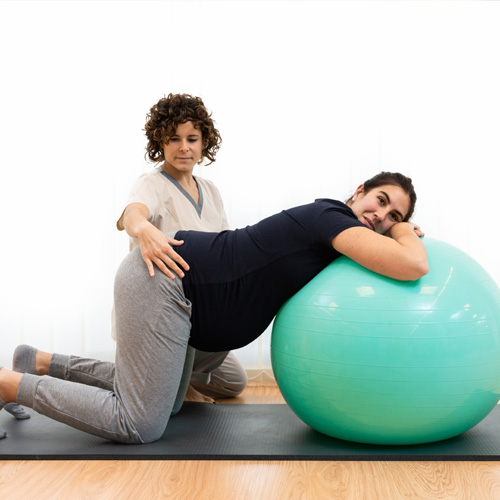
Covering the Basics of Pelvic Health
What Is Pelvic Health?
Pelvic health refers to the function and well-being of the pelvic floor, a group of muscles that form a supportive sling at the base of the core. The pelvic floor muscles hold the bladder, bowels, and reproductive organs in place and play a role in sexual function, posture, and breathing.
When these muscles are healthy, they contract and relax as needed. But when they become weakened, over-tightened, injured, or uncoordinated, you may develop a range of symptoms, many of them difficult to discuss.
It’s important to note that anyone can develop pelvic floor dysfunction. Although certain life stages and medical conditions increase the risk, pelvic health issues are not just a “women’s problem” or something you have to accept with age.
What Symptoms Might Mean I Have A Pelvic Floor Issue?
While symptoms vary, some of the most common include:
Urinary Incontinence
- Stress incontinence: leaking when coughing, laughing, sneezing, or exercising
- Urge incontinence: a sudden, overwhelming urge to go
- A combination of the two
Pelvic Pain
- A sharp, dull, or aching pain in the lower abdomen, hips, or groin, often linked to nerve irritation, muscle tension, or conditions like endometriosis
Sexual Dysfunction
- For women: pain during intercourse or difficulty achieving orgasm
- For men: erectile dysfunction or painful ejaculation
Pelvic Organ Prolapse
- A feeling of heaviness or bulging when organs shift downward due to weak support muscles
What Are Some Common Risk Factors For Pelvic Floor Concerns?
- Pregnancy and childbirth, especially vaginal deliveries or prolonged labor
- Pelvic surgery, such as a hysterectomy or prostate surgery
- Menopause or hormonal changes
- Chronic constipation or straining
- High-impact sports or heavy lifting
The Role of Physical Therapy in Addressing Pelvic Floor Dysfunction
How Does Physical Therapy Help?
The good news is that physical therapy can help address dysfunction in the pelvic floor just as we can with any other part of the body! We’ll assess your symptoms and pelvic floor function to help us select the best treatment techniques for your needs, which may include the following:
Manual therapy
- Targeted hands-on techniques to release tension, reduce pain, and improve tissue mobility.
Pelvic Floor Exercises
- Customized stretches and strengthening activities to restore muscle balance.
Biofeedback
- Technology that helps you visualize how your pelvic muscles are working so you can retrain them effectively. (Pelvic muscles are internal, so it can be challenging to perform exercises correctly.)
Electrical Stimulation
- Mild electric pulses to activate muscles and ease discomfort.
Bladder Training
- Strategies to gradually increase the time between bathroom visits.
Breathing and Posture Training
- Improving core and diaphragm coordination to reduce strain on the pelvic floor.
Is Pelvic Floor Therapy Uncomfortable?
We understand this can be a sensitive topic, which is why your comfort and privacy come first. All sessions are conducted one-on-one in a private room. We explain every step of the process, and you decide whether to stop or modify any part of the treatment.
How Long Before I Notice Improvement?
Results vary based on several factors, but many patients report progress within 4–6 weeks of consistent pelvic floor physical therapy, including at-home exercises. The more committed you are to your plan, the faster and more lasting your results will be.
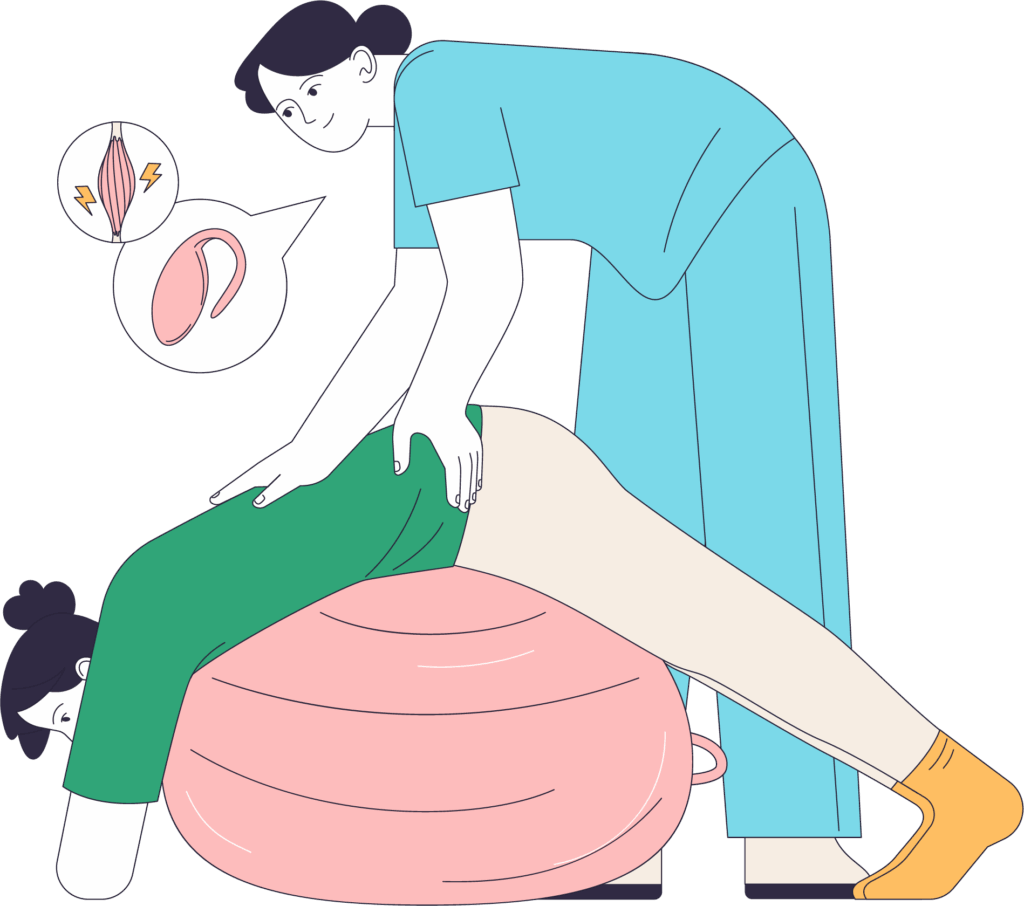
Take the First Step To Relief from Pelvic Floor Discomfort!
If you’ve been living with pelvic pain, incontinence, or any other challenging symptoms, the team at Preferred Physical Therapy Associates is here to help. The sooner you begin working with us, the sooner you can return to living without worry or discomfort.
Schedule an initial assessment today. You deserve to move, live, and feel your best.
Your Progress Matters To Us!
Return to Preferred Physical Therapy and Let’s Continue Your Journey to Wellness Together. Schedule Your Appointment Now!

Specialty Spotlight: Kara Brown, MPT – Women’s Pelvic Health
At Preferred Physical Therapy, we’re proud to highlight Kara Brown’s expertise in women’s health and pelvic rehabilitation. With over 27 years of experience, Kara has dedicated much of her career to helping women with urinary incontinence, pelvic pain, and pre/post-natal rehabilitation.
She trained alongside some of the nation’s top pelvic health specialists and uses a combination of manual therapy, myofascial release, and holistic care to achieve meaningful, lasting outcomes. Kara’s passion is empowering women to take charge of their health, improve their quality of life, and feel confident in their bodies.
If you or someone you know could benefit from pelvic health therapy, Kara is here to help.
September Word Scramble
tnuamu
plaep
uxqoien
olatbflo
ratesvh
caron
Answer Key
autumn
apple
equinox
football
harvest
acorn

ANOTHER
5 STAR REVIEW
“I had a great experience and healing here. The entire staff, from the front desk to the physical therapists, is a pleasure to work with. They are all professional, courteous, friendly, and have a sense of humor. They tailor the therapy to address all issues and continue until you reach the results- eliminate pain and achieve balance. I highly recommend Preferred Physical Therapy!”
–David S. — Actual 5-Star Google Review
Upcoming
MEMBERSHIP PROGRAM
Due to the ever-changing world of healthcare, and the field of physical therapy, Preferred Physical Therapy Associates has decided to establish a Membership Program, to maintain the high quality of care we have provided for 18 years. We believe this program will help us establish and maintain our relationships with our patients, build trust with our patients, and allow us to offer enhanced services to the Members. We believe this program will serve the best interests of both the practice and our Member patients. All patients of Preferred Physical Therapy Associates are eligible to become Members of the PT Program. In fact, we hope that all our patients become Members, although we do offer the option of opting out of Membership.
Click to find out more about the benefits of the Membership Program at Preferred Physical Therapy!

Delight in tender, savory mushrooms filled with a rich, garlicky spinach stuffing that bursts with flavor. This easy, crowd-pleasing recipe makes the perfect appetizer or side dish for any occasion.
Enjoy This Seasonal Healthy Recipe!
Spinach Stuffed Mushrooms
- 20 medium mushrooms
- 1/4 cup chopped shallots, scallions or onion
- 2 cloves garlic, chopped
- 1 tablespoon balsamic vinegar
- 1/2 teaspoon soy sauce
- 2 cups chopped fresh spinach
- 1/2 cup Plain Oikos Organic Greek Yogurt
- Salt and pepper to taste
Wash the mushrooms and carefully remove the stems without breaking the caps. Finely chop the stems. Combine the shallots, garlic and vinegar in a small skillet or saucepan and cook for 1 to 2 minutes. Add the chopped mushroom stems and soy sauce and cook, stirring occasionally, for 3 to 5 minutes, until the mushrooms soften and release their juices. Add the spinach and cook, continuing to stir, until it is wilted and the liquid in the pan is absorbed. Remove from the heat and let cool for a few minutes, then stir in the yogurt. Season with salt and pepper to taste. Preheat the oven to 350ºF. Stuff the spinach filling into the mushroom caps. Place the mushrooms in a baking pan and bake for 20 minutes, until tender. Remove from the oven and let sit for a few minutes for the filling to set before serving. Yields 20 mushrooms.

Meet Our Team

Trevor Meyerowitz, RPT
Physical Therapist
Raquel C. Rangel, PT, MPT, MA
Clinical Director
Eric Richardson, PT
Physical Therapist
Leslie Rodrigues, PTA
Physical Therapist Assistant
Luciana Muniz, PT
Home Health Physical Therapist
Anelise Madjarian, PT
Physical Therapist
Flavia Pereira, PT
Physical Therapist
Kara Brown, MPT
Physical Therapist
Marilyn Chavez, PT
Physical TherapistLet’s Get You Better ASAP!
Don’t let pain dictate your life. Take the first step towards reclaiming your mobility and well-being with our expert support. Start your journey to a healthier you today.