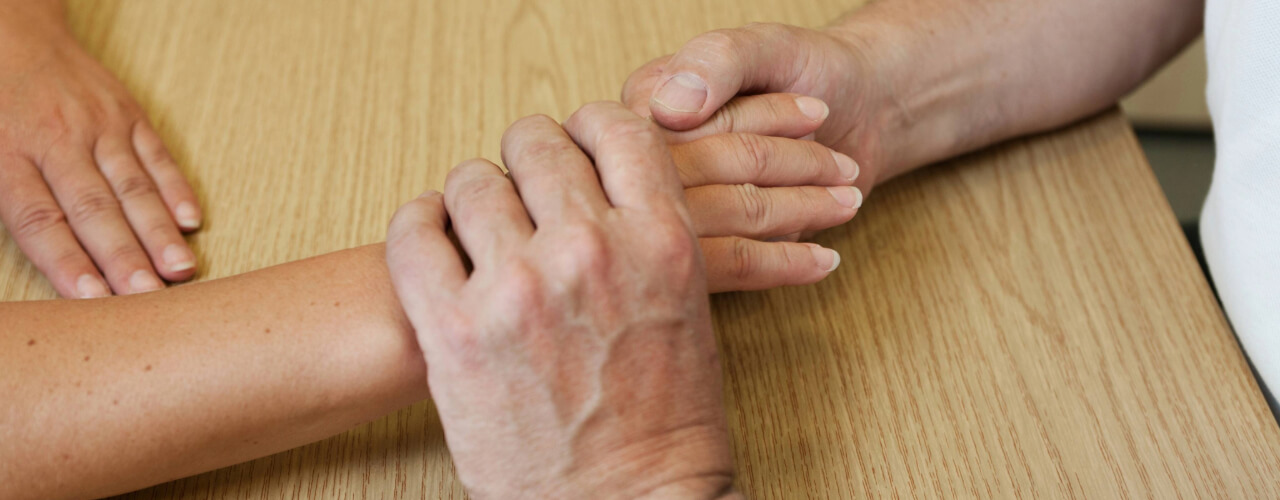
Meet Sarah (not her real name), a dedicated graphic designer whose passion for creativity was hindered by a recent hand injury. As Sarah navigated her daily tasks, from sketching intricate designs to typing on her computer, she faced discomfort and frustration caused by her injury. With the help of targeted hand therapy techniques in occupational therapy, Sarah began her path to recovery. These specialized techniques played a crucial role in restoring strength and flexibility in her hands, enabling her to rediscover the joy of creating with her hands.
Understanding Hand Injuries and Their Causes
Hand injuries encompass numerous conditions, from fractures and sprains to repetitive strain injuries and arthritis. Hand injuries can manifest through various symptoms and have diverse underlying causes. Recognizing these signs and understanding the factors contributing to hand injuries are essential for effective treatment and prevention strategies.
Sign of a Hand Injury
Pain
- Pain is a typical indicator of hand injury, ranging from mild discomfort to severe, sharp pain that interferes with daily activities.
Swelling
- Inflammation and swelling often accompany hand injuries, causing localized puffiness and tenderness.
Stiffness
- Reduced flexibility and stiffness in the hand joints may occur, making it challenging to perform movements.
Reduced Range of Motion
- Hand injuries can restrict the normal range of motion, limiting the ability to bend, straighten, or rotate the fingers and wrist.
Weakness
- Weakened grip strength and diminished hand function are hallmark symptoms of hand injuries, affecting tasks that require manual dexterity.
Numbness or Tingling
- Nerve compression or damage can lead to sensations of numbness, tingling, or “pins and needles” in the hand and fingers.
Visible Deformity
- Severe injuries may result in visible deformities, such as misaligned fingers, dislocations, or bone protrusions.
Causes of Hand Injuries
Traumatic Injuries
- Accidents, such as falls, crush injuries, sports-related impacts, or motor vehicle collisions, can cause fractures, dislocations, and soft tissue damage in the hand.
Repetitive Strain
- Overuse of the hands and repetitive motions, typical in occupations like typing, assembly line work, and playing musical instruments, can lead to conditions such as carpal tunnel syndrome, tendonitis, and bursitis.
Sports Injuries
- Participation in sports activities without proper protective gear or techniques can result in hand injuries, including sprains, fractures, and ligament tears.
Work-Related Factors
- Occupational hazards, such as exposure to vibrating tools or heavy lifting, can contribute to hand injuries among workers in various industries.
Degenerative Conditions
- Age-related changes, arthritis, and degenerative diseases affecting the bones, joints, and connective tissues can result in chronic pain, stiffness, and functional impairment.
Inflammatory Conditions
- Disorders like rheumatoid arthritis and lupus can cause inflammation and joint damage in the hands, leading to pain, swelling, and deformities over time.
How Occupational Therapy Can Help You with Hand Injury
Occupational therapy is beneficial for hand rehabilitation, offering comprehensive care to address your unique needs and goals. During your initial assessment, an occupational therapist will evaluate your hand function, identify limitations, and develop a personalized treatment plan tailored to your condition and lifestyle.
In occupational therapy, you can expect a combination of therapeutic interventions, exercises, and techniques to help improve hand strength, flexibility, coordination, and function.
Hand Therapy Techniques in Occupational Therapy
Customized Splinting
- Sarah benefited from wearing a custom splint that provided stability and facilitated optimal healing of her injured hand.
Therapeutic Exercises
- Sarah underwent a personalized exercise program tailored to her specific hand injury and functional goals. Her occupational therapist guided her through therapeutic exercises, improving her range of motion, strength, and dexterity.
Activity Modification
- Occupational therapists worked with Sarah to identify activities and tasks that exacerbated her hand injury and devised strategies to modify them. By implementing ergonomic principles and teaching adaptive techniques, Sarah learned to perform daily activities with reduced strain on her injured hand.
Functional Training
- Occupational therapy sessions include functional training activities designed to simulate real-life tasks. Sarah engaged in functional training exercises, including buttoning clothes, using utensils, and grasping objects of varying shapes and sizes, to enhance her hand function and independence in everyday tasks.
Adaptive Equipment and Assistive Devices
- Sarah was introduced to adaptive tools, including dressing aids and modified writing implements, to compensate for hand weakness and limitations.
Through comprehensive occupational therapy interventions and dedicated rehabilitation efforts, Sarah regained confidence in her hand function and resumed her daily activities with minimal limitations.
Embracing a Future of Hand Health and Functionality
Call our team at Preferred Physical Therapy Associates in Deerfield Beach, FL today to learn more about hand therapy techniques in occupational therapy and discover how we can help you reclaim your hand health and overall well-being.